



Plenty of East Side adults have given CPAP an honest try and still couldn’t make peace with it. Maybe the mask, the hose, or the steady hum got to you. Maybe it sits in a drawer now. If that’s you, you’re far from alone, and you’re not stuck. This page is for the adult who wants another way to treat sleep apnea, not just a louder push to keep using a machine you’ve already set aside.
We’re talking about real options. The kind that help you wake up rested, with fewer morning headaches and steadier energy through the day. The kind that let your partner sleep through the night too. If your mask sits in a drawer, you may want CPAP alternatives Milwaukee East Side adults can actually stick with.
Being close helps more than you’d think. Treatment for sleep apnea takes a few visits, and a short drive makes that easy. We’re a quick trip from Downer, Murray Hill, and the UWM area. Our office sits in Downer Lakeview Commons on E Webster Place, right in the middle of the neighborhood.
Visits are by appointment, mostly mornings during the week. So you can come in, get answers, and still make it to the rest of your day.
Many East Side adults quit CPAP for reasons worth taking seriously
You gave it a real shot. Months of it, maybe. And one morning the mask ended up in a drawer and stayed there. That’s a more common story than most doctors let on, especially for busy professionals working near UWM or Downer who just can’t lose another night of rest to a machine.
The reasons people stop usually make sense:
- The air pressure feels like too much to breathe against.
- The mask leaks, slips, or leaves marks on your face.
- That closed-in feeling makes it hard to relax or fall asleep.
- The noise wakes your partner anyway, which defeats the point.
Here’s what matters: quitting CPAP does not mean you failed. And it does not mean your apnea went away. Your airway still needs help at night. There are quieter ways to give it.
A quiet fix matters more on the East Side than you’d think. A lot of the condos and walk-ups around here have thin walls and shared floors. So when you come in, we start by looking at why CPAP didn’t fit you, instead of just telling you to try harder.
Oral appliance therapy is a leading at-home CPAP alternative
Imagine a treatment small enough to fit in a shirt pocket. No mask. No hose. No power cord trailing across the nightstand. That’s an oral appliance, and for many adults it’s the CPAP alternative they wish they’d known about years ago.
It works for adults with mild to moderate sleep apnea, and for people who simply refuse CPAP. The device is custom-made for your mouth. It holds your lower jaw forward a little, which keeps the airway open while you sleep. The American Academy of Dental Sleep Medicine recognizes this kind of therapy as an accepted treatment for mild-to-moderate apnea and for people who can’t tolerate CPAP.
What people love about it:
- Nothing covers your face, so it’s easier if you feel closed-in.
- It’s quiet, so your partner sleeps too.
- Side sleepers do well with it, even in a tight bedroom.
- It packs small. Toss it in a bag for an Amtrak run down to Chicago and you’re set.
Myofunctional therapy retrains the tongue and airway over time
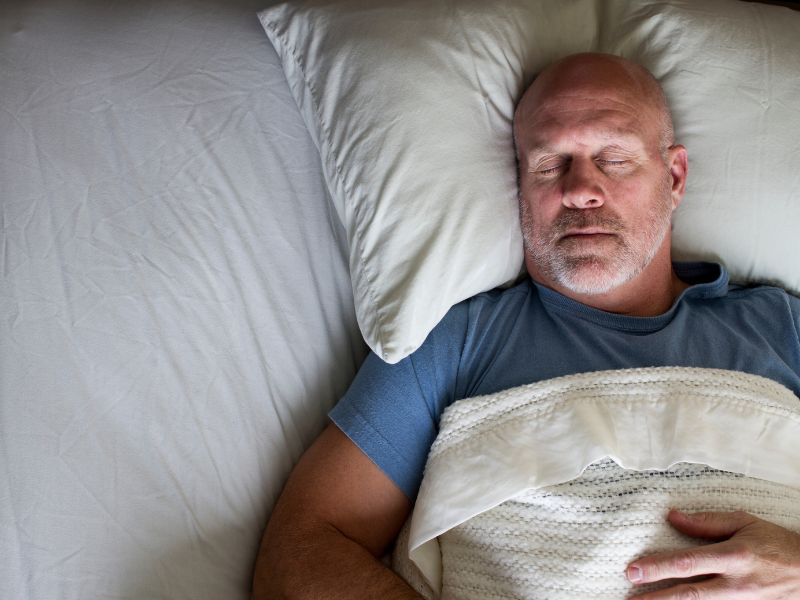
Some people want to treat the cause, not just manage it night after night. That’s where myofunctional therapy comes in. It’s a set of simple exercises that strengthen the tongue, lips, and the muscles around your airway.
A weak or low-resting tongue can fall back and block your breathing while you sleep. Training those muscles helps the airway stay open on its own. It’s slow, steady work, and it rewards people who stick with it.
It pairs well with other care. Many adults do myofunctional therapy alongside an oral appliance, or after a tongue-tie release, for better results overall. What you can expect: easy exercises you do at home, plus regular check-ins with us to track your progress.
This one tends to click with the research-minded East Side patient. If you’re the type who wants to understand the why behind a treatment, you’ll like this approach.
A real airway exam shows why your breathing stops at night
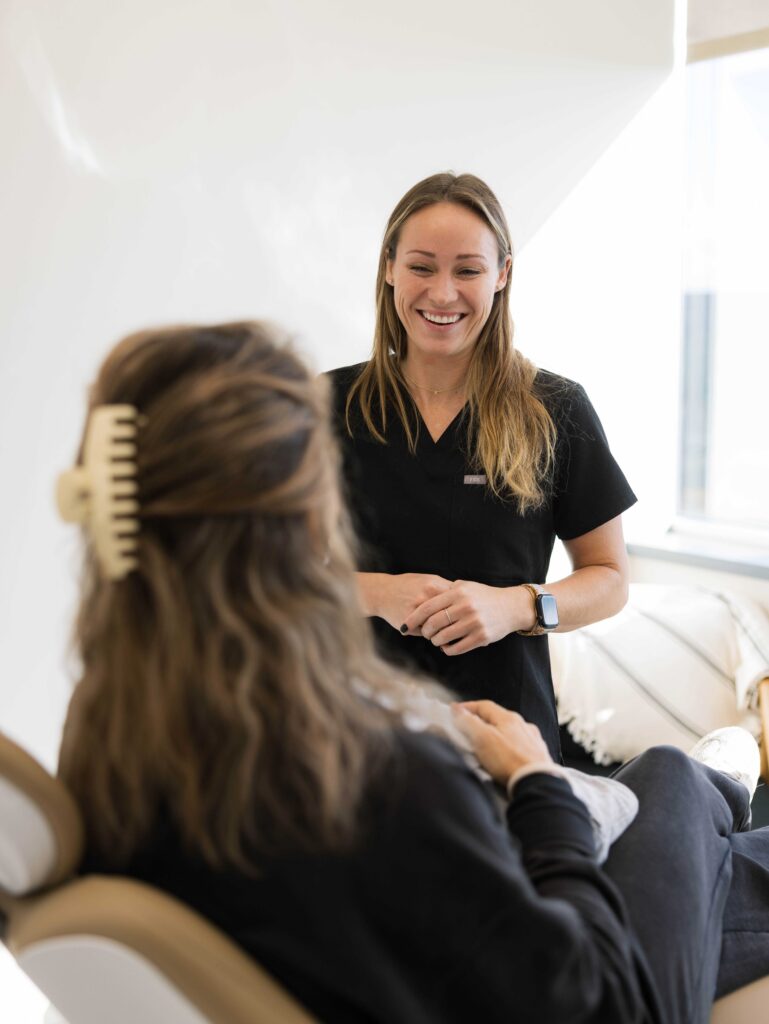
If a doctor only ever told you to “lose weight” or called you “just a snorer,” you never got the full picture. Your breathing stops at night for a physical reason. The job is to find it.
We use 3D imaging, called a CBCT scan, to see the real size and shape of your airway. It shows the narrow spots that a quick look in the mouth can miss. An at-home sleep study can then confirm what’s actually happening while you sleep. Those morning headaches and that all-day tiredness are recognized signs of sleep apnea, even when you’re spending plenty of time in bed, as the American Academy of Sleep Medicine lays out in plain language.
The payoff is a plan built for your mouth and your airway, not a generic one. And you get your answers right here. No drive across the metro to a far-off lab for results.
Getting to our Downer-area office is a short, easy trip
For neighbors in Murray Hill, the Upper East Side, and along Oakland Avenue, we’re practically around the corner. We sit in Downer Lakeview Commons on E Webster Place, steps from the Downer Avenue shops.
Parking is easy. The Downer Avenue parking garage gives you a simple spot to leave the car. And if you’re without one, MCTS bus routes run along both Oakland and Downer for an easy ride in.
Even from Brady Street or down by the lakefront, it’s a short drive worth making. Good sleep is worth a few minutes in the car.
Untethered Airway Health Center
2524 E Webster Pl #201a, Milwaukee, WI 53211
(414) 935-8460
| Day | Hours |
|---|---|
| Monday | 8:00 AM – 3:00 PM |
| Tuesday | 8:00 AM – 3:00 PM |
| Wednesday | 8:00 AM – 3:00 PM |
| Thursday | 8:00 AM – 3:00 PM |
| Friday | By Appointment Only |
| Saturday | Closed |
| Sunday | Closed |
Frequently Asked Questions
Why do so many people quit CPAP?
Many quit because the mask, the pressure, or the noise feels unbearable. An oral appliance avoids all three. There’s no mask on your face, no air pushing against you, and nothing to keep your partner awake. For a lot of people, that’s the difference between treatment they skip and treatment they actually use.
How far is your office from Downer Avenue?
It’s a short drive or even a walk. We’re in Downer Lakeview Commons on E Webster Place, right near the Downer shops. Neighbors from across the East Side find us easy to reach. Help for your sleep apnea and snoring is not far away.
Where do I park near the East Side office?
The Downer Avenue parking garage is close by, plus there’s nearby street parking. You won’t circle the block hunting for a spot.
Can I get here from UWM without a car?
Yes. MCTS bus routes run along Oakland and Downer Avenues near campus, so it’s a simple ride to our door.
I wake up with headaches and feel tired after 8 hours — could that be apnea?
Yes, morning headaches and daytime tiredness are common signs of sleep apnea worth testing. When your airway keeps collapsing at night, your sleep breaks up without you knowing. You spend hours in bed but never get true rest. A simple at-home test can tell you what’s going on.
How can I tell if my snoring is sleep apnea?
Loud, chronic snoring paired with gasping, choking, or breathing pauses that a partner notices is the most common warning sign of obstructive sleep apnea. Simple snoring is fairly steady and quiet; apnea snoring is interrupted by silent pauses where breathing actually stops, followed by a gasp or snort. The noise itself isn’t the danger — the pauses are. If you snore and also wake up unrefreshed, get morning headaches, or feel exhausted during the day, it’s worth an evaluation. Learn how to tell if your snoring is sleep apnea in more detail, including the simple partner test.
Do I need a new sleep study to switch off CPAP?
Often an at-home study and an airway exam are enough to plan an alternative. We’ll look at what you already have and figure out what’s still needed. No more testing than necessary.

