


Airway-focused dental care for infants, children, and adults in Milwaukee
📅 Schedule an Airway Evaluation
✓5.0 Stars on Google
✓Breathe Institute Faculty
✓Healthy Start & Myobrace Certified
✓Care for Infants to Adults

What’s Covered on This Page
- What the 30-Minute Rule Means
- Why a Single Slip Matters Less Than the Daily Pattern
- Eating and Drinking Habits That Quietly Add Up
- How do I know if I’m breaking the 30-minute rule too often?
- Does cold Milwaukee weather affect how well my aligners fit?
- What’s the difference between a short slip and a habit that will delay treatment?
- Can mouth breathing or a tongue-tie make it harder to keep trays seated overnight?
- What should I do if I accidentally leave my trays out for a few hours?
- How does the 30-minute rule connect to my overall Invisalign treatment plan?
Schedule an Airway Evaluation
What the 30-Minute Rule Means
Invisalign’s 30-Minute Rule Explained is simple: keep your total out-of-mouth time for each meal or snack to about 30 minutes, so your trays stay in 20 to 22 hours a day. That 30 minutes covers eating, drinking anything but water, brushing, and getting the trays back in. Go past it too often and your teeth stop tracking the way the plan expects.
Most people hear “20 to 22 hours a day” and nod along. Then they try it and realize that leaves only two to four hours for everything else, spread across a whole day.
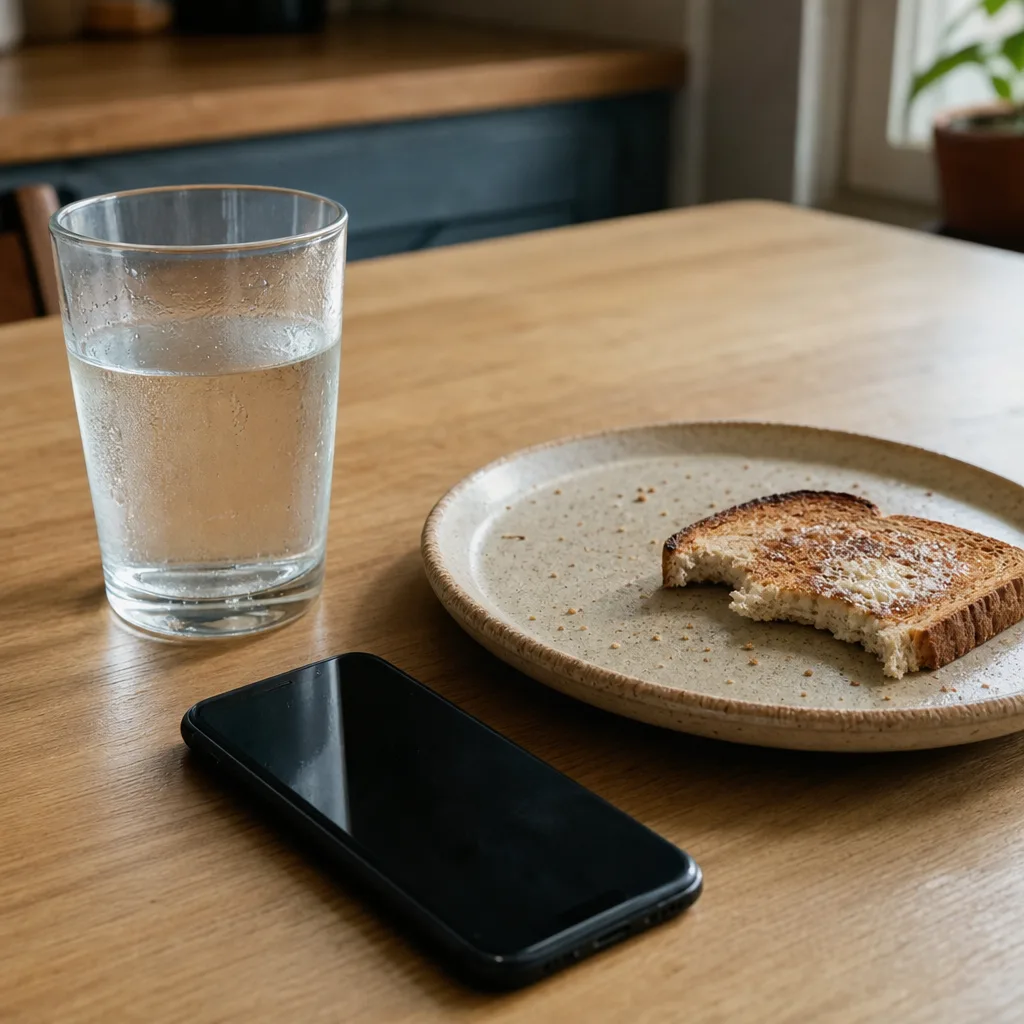
So the 30-minute rule is really a budgeting tool. You get a small window per eating episode. Breakfast, lunch, dinner, plus a coffee. That’s already close to two hours if you’re not watching the clock.
Here’s what many patients miss. The clock doesn’t start when you take the first bite. It starts the moment the trays come out, and it stops when they’re seated back on your teeth.
- Taking the trays out and setting them in the case
- Eating and drinking anything other than plain water
- Chewing gum, sipping coffee, or nursing a soda
- Brushing and flossing before the trays go back in
- Rinsing the trays and reseating them fully
We see the same slip in Milwaukee patients over and over. Someone takes the trays out for lunch, gets pulled into a meeting, and the aligners sit in the case for two hours. One day like that won’t ruin anything. A pattern of it will.
Teeth move through bone slowly, and the movement partly reverses when pressure stops. Short breaks are fine because the tooth doesn’t have time to drift back. Long breaks give it that time, so each tray needs extra days to catch up.
A common scenario: a UWM student wears trays faithfully on weekdays, then leaves them out for most of Saturday and Sunday. By the fourth week, the trays feel tight and won’t fully seat. Nothing went wrong with the aligners, the weekend breaks just ate the wear time.
There’s an airway piece here too, and it’s one we watch closely at our East Side office. Patients who breathe through their mouth or have a tongue-tie sometimes struggle to keep trays seated overnight. Lips part, the mouth dries out, and the trays get nudged loose. If that sounds familiar, myofunctional therapy or a tongue-tie evaluation may matter as much as the tray schedule itself.
Dr. Meggie Graham checks tongue posture, lip seal, and nasal breathing during Invisalign planning for exactly this reason. Tooth position and breathing patterns are connected. And we don’t recommend extra treatment for everyone, roughly 15% of our consultations end with us saying no treatment is needed.
Why a Single Slip Matters Less Than the Daily Pattern
You left your trays on the kitchen counter and didn’t put them back in for two hours. That happens. One long stretch out of your aligners won’t undo weeks of tooth movement. What shapes your results is the pattern you repeat every single day.

Teeth move because of steady, gentle pressure held over time. Take the pressure off for a while and the teeth don’t snap back to where they started. They just pause. Then they need a little extra time to catch up when the trays go back in.
But a daily habit is different. Thirty extra minutes out, every day, adds up to more than three hours a week. Over a few months that’s real lost wear time, and that’s when trays stop seating all the way and the next set won’t fit.
We see this pattern all the time with adults who work full days. The trays aren’t the problem. The routine around meals and coffee is.
Here’s where the daily minutes usually leak out, based on what patients tell us at follow-up visits:
- Sipping one coffee slowly all morning instead of finishing it in ten minutes
- Grazing at a desk, so a snack turns into a ninety-minute open window
- Long dinners out, especially when dessert and conversation stretch things
- Forgetting to bring a case, then leaving trays out because there’s nowhere clean to set them
- Brushing and flossing at a leisurely pace before bed, then getting distracted
Notice that none of those are dramatic mistakes. They’re small, ordinary choices. Stacked together, they’re the reason a treatment plan drifts off schedule.
So what should you do after a slip? Don’t panic and don’t skip ahead to the next tray. Follow a simple recovery sequence instead.
- Rinse your mouth, brush if you can, and put the current tray back in right away.
- Wear that tray a full extra day or two before moving to the next set.
- Check the fit at the back teeth. If there’s a gap, keep wearing the same tray longer.
- Use aligner chewies for a few minutes to help the tray seat fully.
- Write down what caused the slip so you can change that one habit.
- Tell us at your next visit. We’d rather adjust the plan than have you push through a tray that doesn’t fit.
One patient on Milwaukee’s East Side told us she kept losing an hour a day to her walk for coffee near Historic Downer Avenue. She switched to drinking it at home before work. Her next three trays seated without a problem.
There’s an airway piece here too, and it’s easy to miss. If you breathe through your mouth at night, your tongue may not rest against the roof of your mouth. That affects how teeth settle and how stable your results feel later. For some patients we pair clear aligner treatment with myofunctional therapy, so tongue and lip habits support the movement instead of fighting it. And when we evaluate someone for Invisalign, we look at breathing and jaw function, not just crowding.
Not everyone needs that added layer. We turn away about 15% of consultations when treatment isn’t needed, and we’d tell you the same.
That same focus carries through the practical invisalign guidance our team provides to local families.
Eating and Drinking Habits That Quietly Add Up
Most people don’t lose aligner time in one big chunk. They lose it ten minutes at a time. A coffee on the way in. A handful of pretzels at 3 p.m. A beer with friends after work. None of those feel like a big deal on their own, but the lost time adds up fast.

The 30-minute rule isn’t only about the meal. It’s about everything that happens around it. You take the trays out, you eat, you talk, you clear the table, then you brush. That whole stretch counts as out-of-mouth time, and it’s usually longer than people guess.
We see this all the time with snackers. Three separate snack breaks can cost you more aligner time than a full sit-down dinner, because each one restarts the whole removal and cleaning cycle.
Drinks are the other problem. Plain water is fine with trays in. Almost nothing else is. Coffee, tea, soda, juice, sports drinks, and wine can stain the plastic, and sugary drinks pool against your teeth under the aligner. That’s a setup for decay in spots you can’t reach with a toothbrush.
- Hot coffee or tea can warp the plastic and change how the tray fits.
- Sugary drinks get trapped between the aligner and your enamel.
- Dark drinks like red wine or cola stain trays, so they look cloudy by day three.
- Grazing all afternoon means the trays are out far more than you think.
- Chewing gum with trays in pulls at the plastic and can loosen the fit.
So what does a good routine look like? Batching your eating is the single biggest fix. Fewer removals, tighter windows, more hours in.
- Take the trays out and set them in your case, not a napkin.
- Eat your full meal in one sitting instead of stretching it out.
- Drink water right after to rinse sugar and acid off your teeth.
- Brush or at least rinse well, then get the trays back in.
- Check the clock. If you’re past 30 minutes, tighten up the next one.
One patient told us her Invisalign went off track during football season. Sunday afternoons at a bar near Downer Avenue meant trays out for four or five hours straight. She wasn’t doing anything wrong on purpose, she just never added up the time. Once she started putting trays back in between quarters, the fit came back.
Milwaukee winters make this trickier, too. Hot drinks feel like a survival tool from December through March. If you’re a two-coffee-a-day person, plan those around meals instead of spreading them across the morning.
And if your trays keep feeling tight or you’re fighting jaw soreness while you eat, that’s worth mentioning at your next visit. Sometimes it’s wear time. Sometimes it’s how your bite and airway are working together, and that’s a different conversation.
Frequently Asked Questions
Common questions about Invisalign’s 30-Minute Rule Explained
How do I know if I’m breaking the 30-minute rule too often?
You’ll usually notice your trays feel tight or won’t fully seat against your back teeth. That’s a sign you’ve had too many long breaks. Try tracking your wear time for a few days using your phone timer. If you’re consistently over 30 minutes per meal, look at where the extra minutes go, like slow coffee sipping or grazing at your desk. Our East Side team can review your pattern and help you adjust before it affects your treatment timeline.
Does cold Milwaukee weather affect how well my aligners fit?
Yes, cold weather can make plastic trays feel stiffer when you first put them back in after being outside. Many Milwaukee patients notice this during winter walks or waiting for the bus. The trays warm up and seat normally within a few minutes once they’re back on your teeth. If a tray feels unusually tight after time in the cold, use an aligner chewy to help it settle fully instead of forcing it.
What’s the difference between a short slip and a habit that will delay treatment?
A short slip, like two extra hours one afternoon, won’t undo your progress. A daily habit, like an extra 30 minutes at every meal, adds up to hours of lost wear time each week. That’s what delays your plan. One-time slips need no special action. Repeated ones mean you should look at your routine and adjust. If you’re unsure which one applies to you, bring it up at your next check-in.
Can mouth breathing or a tongue-tie make it harder to keep trays seated overnight?
Yes, mouth breathing and tongue-tie can both loosen trays while you sleep. When your lips part and your mouth dries out, trays get nudged out of place more easily. Dr. Meggie Graham checks tongue posture and nasal breathing during Invisalign planning for this reason. Some patients benefit from myofunctional therapy alongside their aligners. If overnight fit has been a struggle for you, this connection between breathing and tooth movement is worth discussing. Our article on Invisalign downsides explains why trays can make nighttime mouth breathing feel worse.
What should I do if I accidentally leave my trays out for a few hours?
Rinse your mouth, brush if you can, and put the tray back in right away. Wear that same tray an extra day or two before moving to the next one in your set. Check the fit at your back teeth, and if there’s a gap, keep wearing it longer. Use aligner chewies to help it seat fully. One slip won’t derail your results, but tell your provider so the plan can be adjusted if needed.
How does the 30-minute rule connect to my overall Invisalign treatment plan?
The 30-minute rule is one of the daily habits that keeps your treatment plan on track. Every tray change assumes you’ve hit close to 20 to 22 hours of wear a day. Small daily leaks, like long meals or slow coffee, add up and push your timeline back. A longer timeline can mean more trays and more visits. Our article on Invisalign cost in 2026 explains how treatment length shapes your plan. Understanding this rule now helps you get the most out of every set of trays. For a fuller picture of what to expect, our invisalign guidance page walks through the full process from start to finish.
Ready to Get Started?
Schedule an Airway Evaluation. Call (414) 935-8460 today.

