


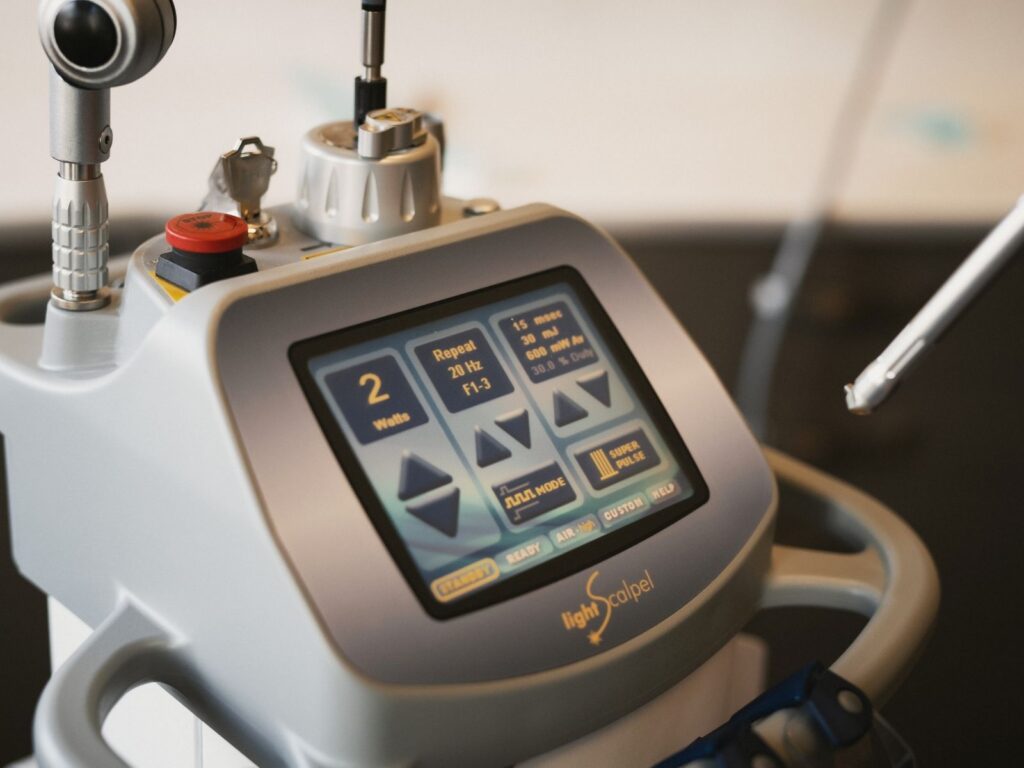
Snoring is an airway problem, not just a noise
Laser Soft Palate Treatment in Lakewood, CO
Loose tissue at the back of your mouth can narrow your airway at night. We check your airway first with imaging and a sleep study, so treatment matches what’s happening.
The tissue behind the snore
What’s Actually Making the Noise
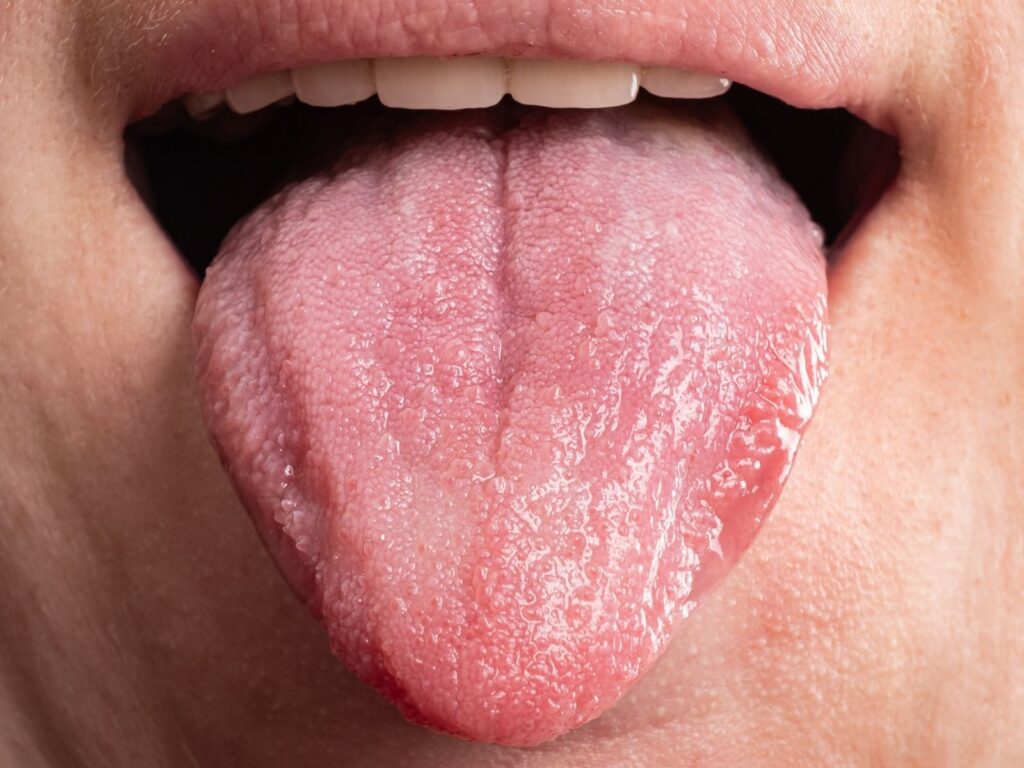
It’s 2 a.m. Your partner just nudged you for the third time. You roll over, and an hour later the snoring starts again, and you wake up tired, with a dry mouth, feeling like you barely slept. Maybe you’ve brought this up and been told to lose weight, sleep on your side, or try CPAP again. Those aren’t wrong, but they skip one question: what is the tissue in your throat doing while you sleep? Your soft palate is the soft part at the back of the roof of your mouth, with the uvula hanging from it. When you fall asleep, these tissues relax, and if they’re loose or floppy, they can sag into your airway. Air squeezes past and makes them vibrate, and that vibration is the snore you hear. A crowded space back there can also push you toward mouth breathing, which dries you out and fragments your sleep.
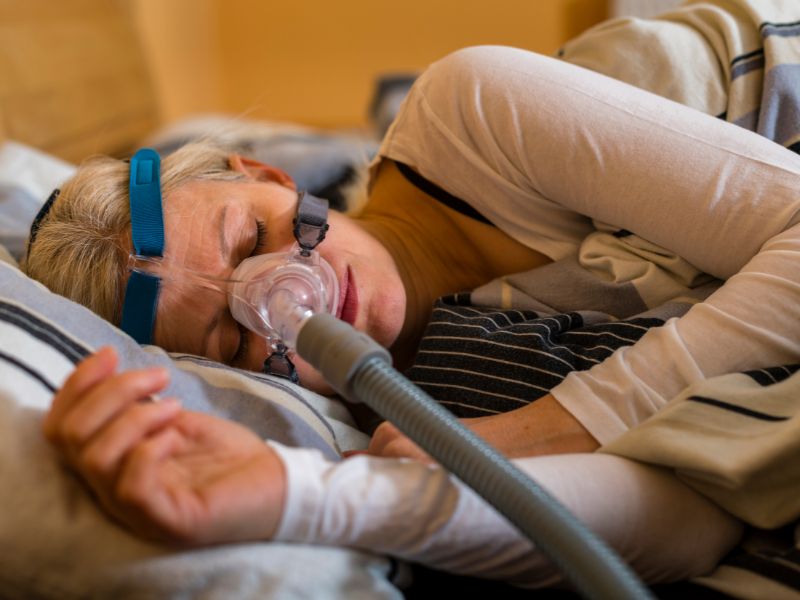
These signs can look like separate issues but often trace back to the same place, an airway that narrows at night: loud snoring your partner hears through a closed door, waking with a dry mouth or sore throat, morning headaches or fog after a full night, grinding your teeth or waking with jaw pain, gasping or choking sounds during sleep, and giving up on CPAP because you couldn’t tolerate it. Laser soft palate treatment uses laser energy to target that loose soft tissue, with the goal of a more open space for air to move. But we don’t start with the laser. We start by looking. Our 3D CBCT imaging shows the shape of your airway, and a home sleep study shows what happens overnight in your own bed. Those two pieces help us decide whether soft tissue is the main issue or just one part of it. If your study points to significant sleep apnea, soft palate treatment may not be enough on its own, and your airway may also involve jaw width, tongue position, or bite, where options like adult airway orthodontics or MARPE expansion come in. We also often pair the laser with adult myofunctional therapy, which retrains how your tongue rests and how you breathe.
A Breathing Evaluation Comes First
You’ve probably heard “it’s just snoring,” or you got a CPAP mask, wore it two weeks, and stuffed it in a closet, and nobody stopped to ask why your airway narrows at night. A breathing evaluation fills that gap. Before we talk about any laser, we need to know where your airway gets tight, because the soft palate is one possible spot, not the only one. The imaging and home sleep study work together to answer a few plain questions: where your airway narrows most, how much your breathing changes once you’re asleep, whether snoring is the main problem or there are signs of apnea too, whether your teeth or jaw width play a part, and whether retraining how your tongue rests would help keep the space open. Those answers shape the plan. If loose soft tissue is the main story, the laser may make sense. If the results show more going on, we’ll tell you, and we’ll talk about what fits better even if that isn’t the laser.
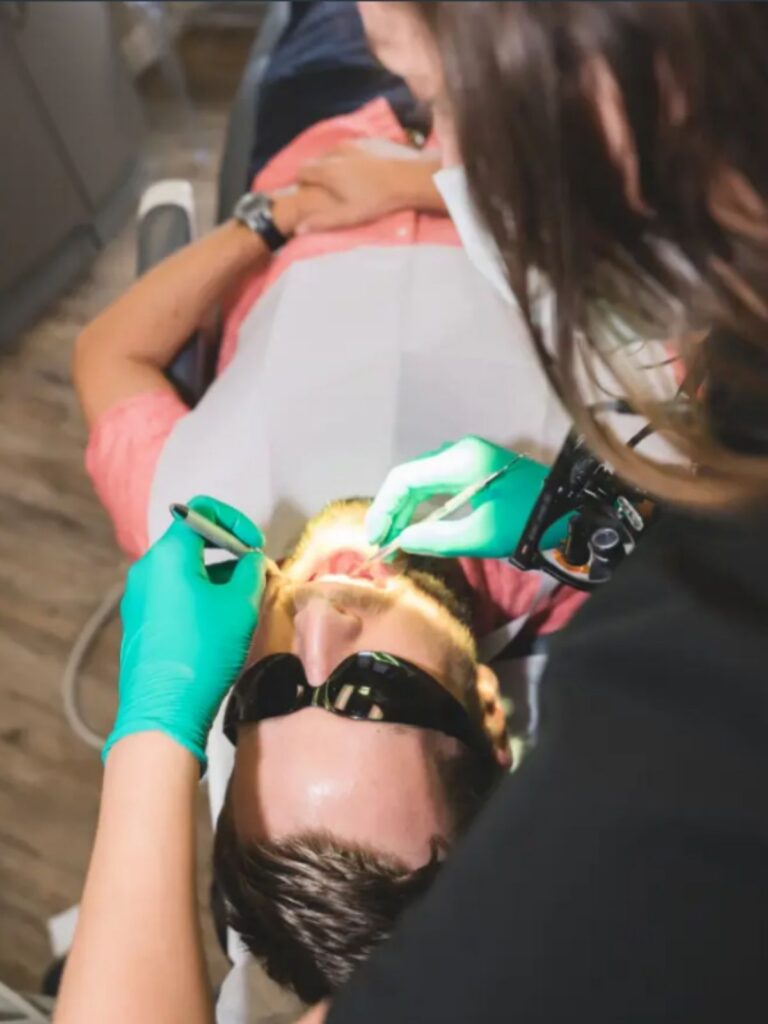
Some people don’t need this procedure at all. Snoring that only shows up during a bad cold or after a late drink may fade on its own, and if your study points to significant apnea, the palate alone likely won’t be the answer. We’d rather say that up front than sell you the wrong thing. You can make the evaluation more useful before you come in by asking your partner what they notice at night, jotting down how you feel when you wake up, and keeping any past sleep study or CPAP details handy. On cost: we’re a fee-for-service practice, and most airway care isn’t well covered by dental or medical insurance, so many patients use HSA or FSA funds, and we provide out-of-network documentation you can submit. Evaluating first is what keeps you from paying for a treatment that doesn’t match how you breathe.
The Appointment and Recovery
One Step in a Plan
The number of visits and how each one feels depends on your own imaging and sleep data. What stays the same for everyone: the laser is one step in a plan, not the whole plan, and not a one-visit fix. The tissue matters, but your tongue and throat muscles keep the airway open too, which is why myofunctional therapy runs alongside it.
- Ask how many laser sessions your plan includes and how far apart
- Ask what you’ll feel during the visit and whether you can drive home
- Track snoring and morning symptoms over weeks, not a single night
- Do the at-home tongue practice, so the laser isn’t working alone
When Snoring Doesn’t Mean You Need This
Your partner recorded you on their phone last night and played back it back to you over coffee. It’s a little embarrassing, but one recording can’t tell us where the sound starts, or whether it’s a problem at all. Snoring is a sound, not a diagnosis, and plenty of people snore because of tissue somewhere other than the soft palate, where laser treatment on the palate won’t reach. This treatment usually isn’t the right call if your nose is the blockage from allergies or a crooked septum (often an ENT question), if you only snore flat on your back (a side-sleeping change may be enough), if your tongue is crowding the space because it rests low or is tied down (adult tongue-tie release and myofunctional therapy are built for that), if the snoring started with a new medicine, or if you snore softly now and then and feel fine with no headaches, dry mouth, or jaw pain.
Kids are a different story too. A snoring seven-year-old isn’t a small adult; at that age, tonsils, adenoids, jaw growth, and tongue position usually matter more than the soft palate, so for children we’d look at children’s airway orthodontics, Myobrace, HealthyStart, or Vivos Guided Growth instead. Laser soft palate treatment is an adult conversation. The reason to be this blunt is simple: the laser only helps when the soft palate is the part that’s sagging, so treating the wrong spot means spending time and money while the snoring stays. A quick gut check: if your snoring comes with grinding, jaw pain, or fog after eight hours in bed, it’s worth finding out where your airway narrows. Snoring with none of those signs may be just noise, and if the change after treatment isn’t what you hoped, that’s useful information pointing us toward your jaw, bite, or tongue, not a failure.
How This Fits Into a Full Airway Plan for Your Family
It’s 3 a.m. Your snoring just woke the baby, who fought the bottle again at bedtime, and down the hall your eight-year-old sleeps with their mouth wide open and the blanket kicked off. That can feel like three separate problems, but often it’s the same problem showing up three ways, because an airway that doesn’t work well at night can look very different at six weeks, eight years, and forty-five. Airway traits run in families too, so a narrow jaw, a tied tongue, or a low tongue resting spot can show up in a parent and a child. For one household, that might mean laser soft palate treatment with myofunctional therapy for you, TMJ care and a home sleep study for a partner who grinds, pediatric myofunctional therapy or a children’s tongue-tie release for a school-age child, and an infant feeding assessment for a baby with a shallow latch or slow weight gain. If your baby isn’t gaining weight, don’t wait weeks; call us and say so, and we’ll talk through next steps right away.
For kids, we’re certified providers for HealthyStart, Myobrace, and Vivos Guided Growth, which guide growth while a child’s jaw is still developing, a window adults don’t have. We also coordinate with bodywork, speech, and lactation providers, so a new mom doesn’t have to carry one story from office to office, and her jaw pain and her baby’s latch can be looked at in the same place on S Wadsworth Blvd. If more than one person in your home needs care, ask us to lay out each person’s steps and costs side by side. Most families start with whoever’s sleep is hurting most, often a parent’s snoring, and then take a closer look at the kids.
See more adult solutions from Untethered Airway Health Center
Frequently Asked Questions About Laser Soft Palate Treatment in Lakewood
Is laser soft palate treatment painful?
Most people feel pressure or warmth rather than sharp pain during the visit. We’ll walk you through what to expect before we start, so there are no surprises. Comfort during the procedure is one of the questions we encourage you to ask us directly before your first laser visit.
Can I eat normally after the treatment?
You may need to adjust what you eat for the first few days while the tissue settles. We’ll give you specific guidance on food and drink at your appointment, since it depends on your own treatment plan.
Will laser soft palate treatment stop my snoring completely?
It targets one possible cause of snoring, the loose soft tissue at the back of your mouth, but it isn’t a stand-alone fix for everyone. Your tongue and throat muscles also affect your airway, which is why we often pair this treatment with adult myofunctional therapy. Tracking your snoring and morning symptoms over a few weeks, not just one night, shows the real pattern of change.
How do I know if my snoring is serious enough for an evaluation?
Pay attention to what happens beyond the sound itself. Waking with a dry mouth, morning headaches, jaw pain from grinding, or gasping during sleep are signs worth checking out. If you feel rested and your partner only notices quiet snoring a few nights a month, you may not need treatment at all.
Does this work for a child who snores?
Laser soft palate treatment is an adult conversation. In children, tonsils, adenoids, jaw growth, and tongue position usually matter more than the soft palate, so we’d look at children’s airway orthodontics, Myobrace, HealthyStart, or Vivos Guided Growth instead. Since we see all ages under one roof, a child can be evaluated in the same place as a parent.
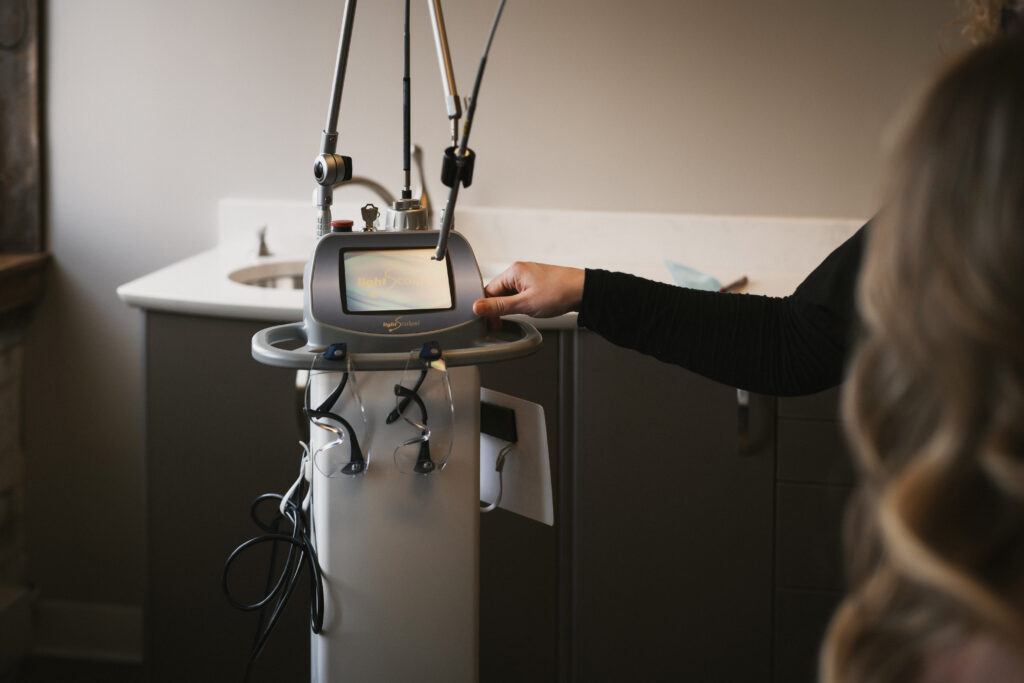
Evaluation First
3D imaging plus a home sleep study show where your airway narrows, so the laser is only used when the soft palate is actually the issue.
All Under One Roof
Infants, kids, and adults are seen at one Lakewood office on S Wadsworth Blvd, so a whole household’s airway can be checked in the same place.
Investment
Fee-for-service, with HSA/FSA accepted and out-of-network documentation provided. Imaging, sleep study, laser, and therapy each add to the total.
Ready to Begin?
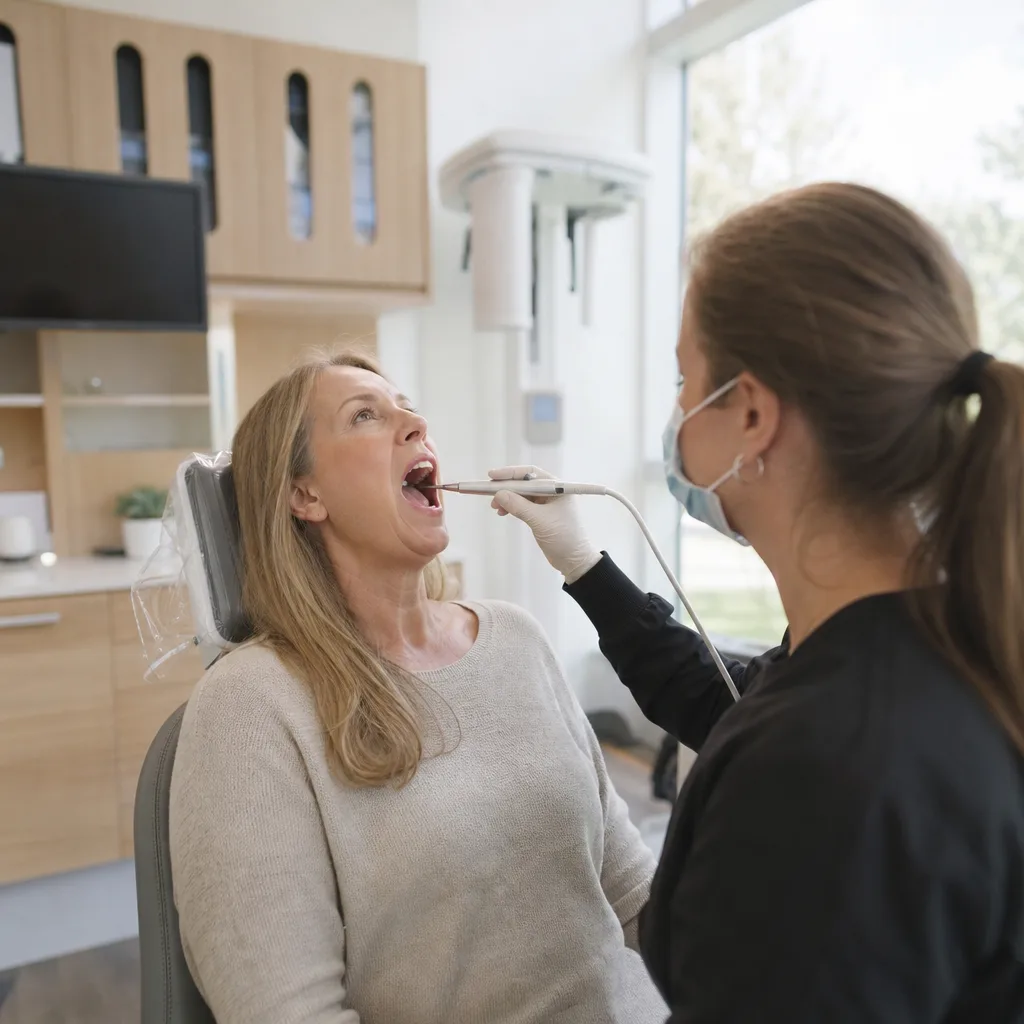
You don’t have to figure out the next step alone. Start with a breathing evaluation at our Lakewood office on S Wadsworth Blvd, and we’ll show you where your airway narrows and walk through every step and cost before you decide. Call (720) 783-5424 or request an appointment online.

