


The report is the start, not the finish
Home Sleep Study in Lakewood, CO
A sleep study shows what your breathing does overnight. We pair it with a 3D look at your airway to find why, then treat the cause.
Finds the problem, doesn’t solve it
A Sleep Study Answers What, Not Why
The report finally shows up. It says your breathing stopped or slowed a certain number of times each hour. Maybe you’ve seen a report like this before, and last time it ended with a CPAP mask that now sits in a closet. That’s where a lot of adults get stuck, and it isn’t your fault. A sleep study answers one question: what happens while you sleep. It doesn’t answer why your airway is narrowing in the first place, and the “why” is what decides treatment. An airway can get crowded for very different reasons, including a narrow upper jaw that leaves the tongue too little room, a tongue that rests low and falls back at night, a tight tongue-tie that holds the tongue down, or soft palate tissue that crowds the back of the throat. Each reason points to a different fix.
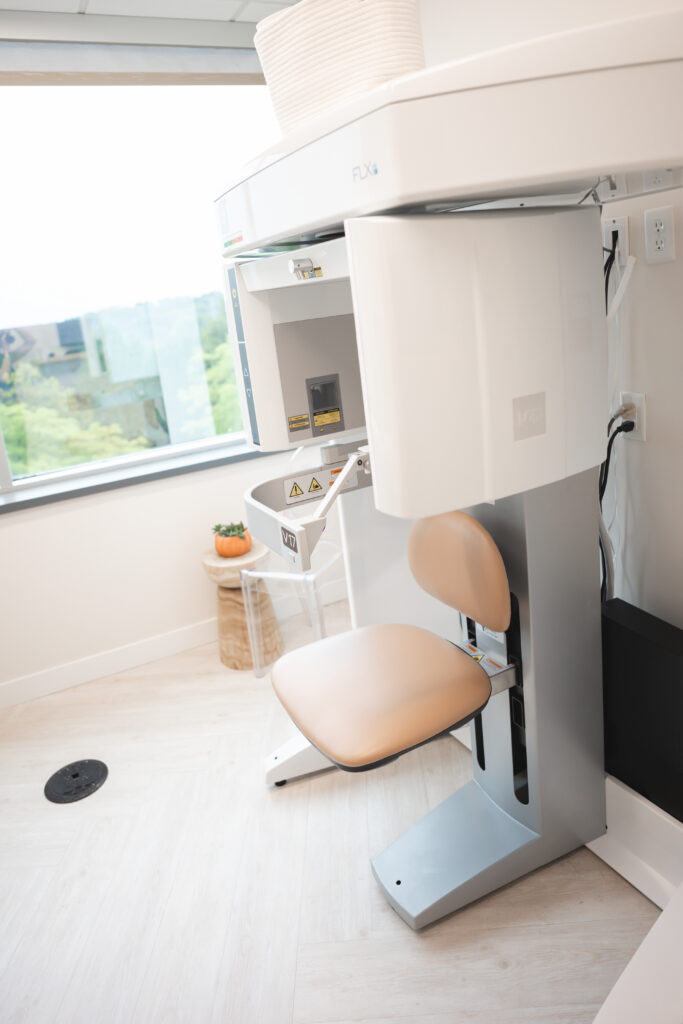
That’s why we don’t stop at the overnight numbers. We use 3D CBCT imaging to see the shape of your airway, and putting the two together shows what’s happening and where it’s coming from. Then we treat the cause. Depending on what we find, your plan may include a laser tongue-tie release when a tight tie keeps the tongue from resting where it should, palatal expansion with MARPE or Vivos Guided Growth to widen a narrow upper jaw, airway-centered orthodontics or Myobrace and HealthyStart for growing kids, laser soft palate treatment for tissue at the back of the throat, and myofunctional therapy to retrain how the tongue rests and swallows. Most plans are a combination, with myofunctional therapy running alongside almost all of it. This isn’t a one-appointment fix, and we’ll tell you that up front. If you’ve given up on CPAP, a new study still matters: CPAP pushes air to hold the airway open, but it doesn’t change the structure crowding it. Please don’t stop any therapy your doctor prescribed without talking to them first.
Signs a Sleep Study Makes Sense for You or Your Child
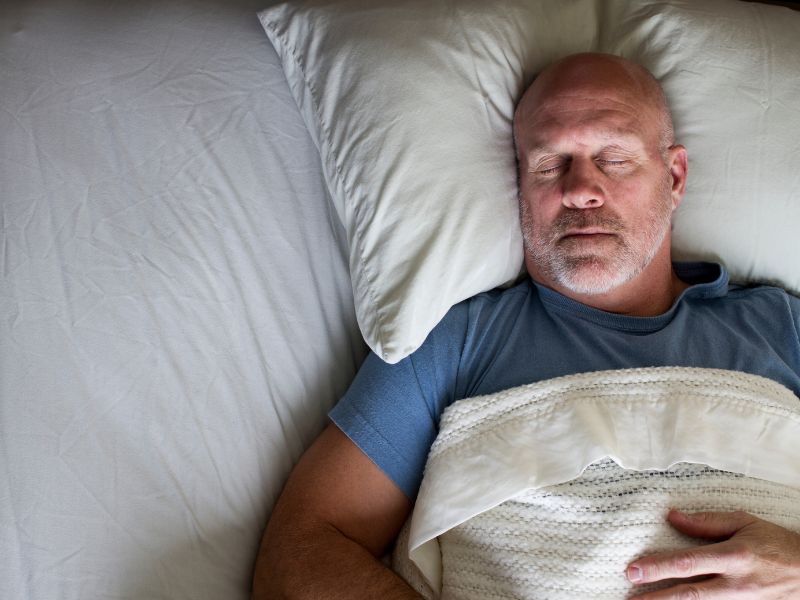
It’s 2 a.m. The snoring next to you stops, then there’s a gasp, and it starts again. Or you’re in your kid’s doorway, watching them breathe through an open mouth. You’ve probably mentioned it and been told it’s normal, or that your child will outgrow it, but you know what you’re hearing. For adults, the signs worth a closer look are loud snoring or a partner who says you stop breathing, waking up gasping or choking, morning headaches or a dry mouth, feeling worn out after a full night in bed, getting up to pee more than once a night, jaw pain or TMJ trouble that won’t settle, and a CPAP you couldn’t stick with.
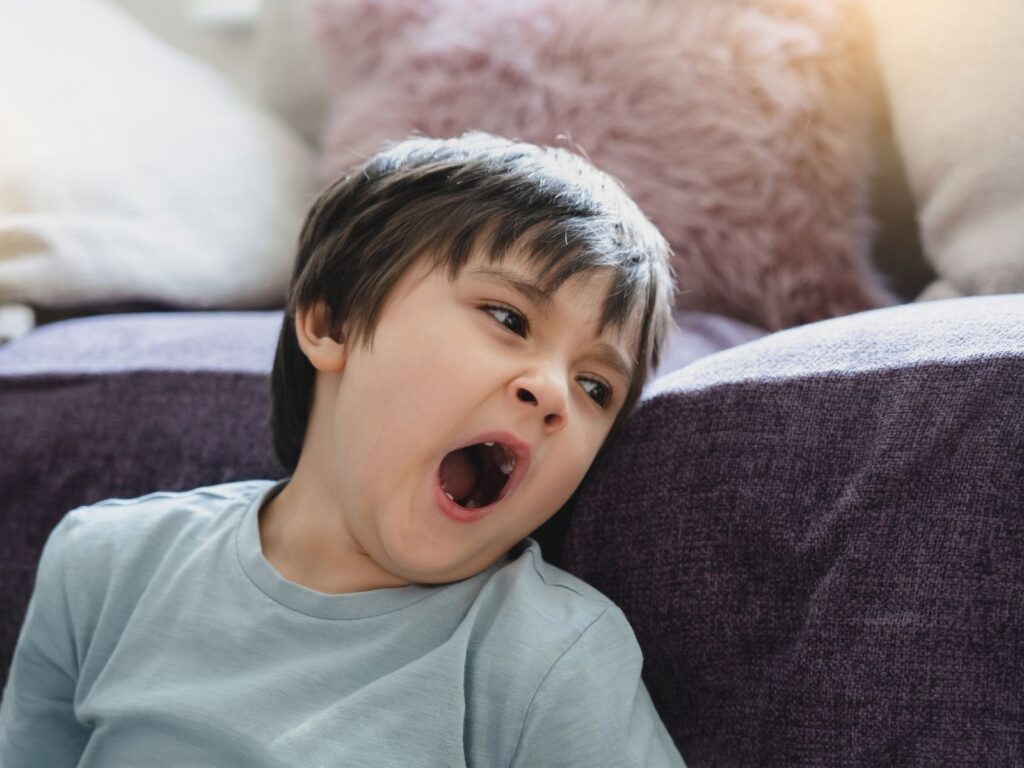
Kids show it differently. A child with a struggling airway often doesn’t look sleepy; they may look wired instead. Watch for snoring or noisy breathing most nights rather than just during a cold, sleeping with the mouth open or the head tipped way back, tossing and ending up sideways in bed, dark circles under the eyes, trouble sitting still or focusing at school, and grinding teeth or wetting the bed past the usual age. One sign on its own doesn’t tell you much, but a few together, night after night, is a pattern, and that pattern is the real reason to test. A quick check: record 30 seconds of sleep on your phone for three nights in a row and listen for snoring, pauses, or gasps. That recording is a helpful thing to bring to your first visit. Snoring that only shows up with a cold or allergy flare often fades once it clears, so if that sounds like your family, it’s fine to watch for a few weeks first.
How a Home Sleep Study Works
In Your Own Bed
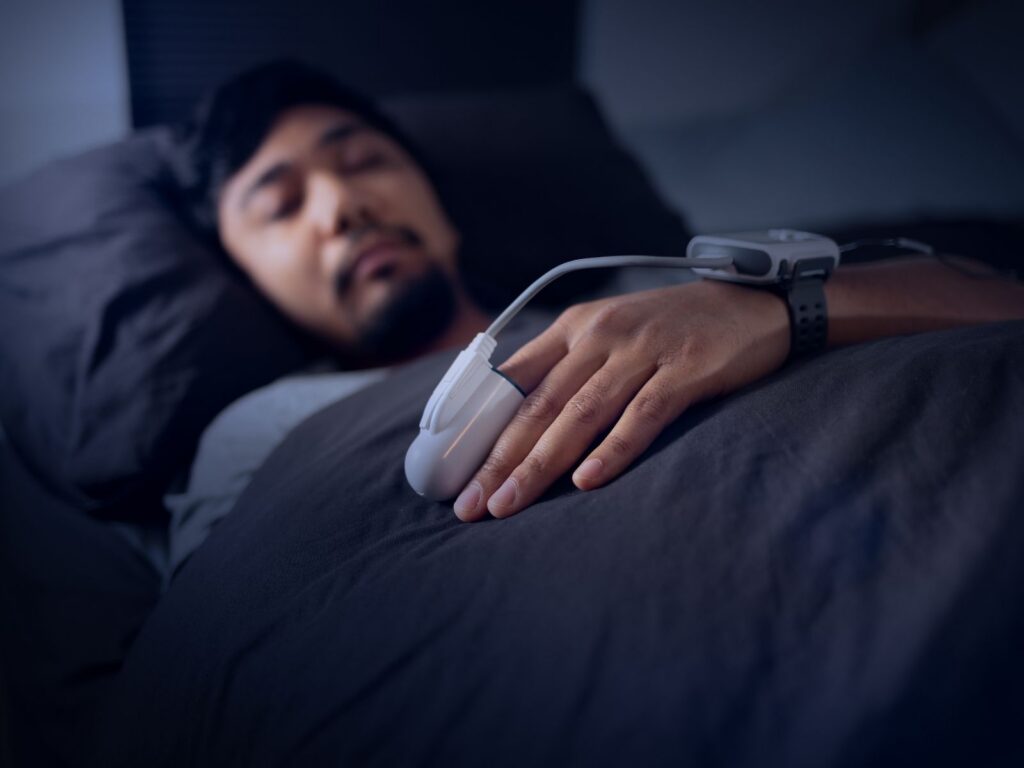
A small device sits on your nightstand. You clip a sensor to your finger, slip a band around your chest, and go to sleep in your own bed. No strange room, no one down the hall watching a screen. For adults who’ve put off testing for years, that alone makes it feel doable.
- Before the night, you get the device and read the setup in daylight
- Sensors track breathing, airflow, oxygen, and heart rate as you sleep
- The next morning, you remove the sensors and return the device
- A sleep physician scores the data and reads your report
What We Do With Your Results
You open the report and one word jumps out: moderate, or maybe severe. Last time you saw a word like that, someone handed you a mask and a brochure, and then you were on your own. That’s not how we want this to go. An abnormal result isn’t the end of the conversation, it’s the start of the useful part. First, we put your sleep report next to your 3D CBCT image. The report shows how often your breathing slowed or stopped; the image shows the shape of the space your air moves through. Side by side, they start to tell one story. We then walk you through it in plain words, with your oxygen dips read with Lakewood’s mile-high altitude in mind, since readings can run a bit lower here.
Next comes the plan, and order matters. Take a tight tongue-tie: the tongue can’t learn a new resting spot while it’s still held down, but a laser release on its own won’t teach it where to go either. That’s where myofunctional therapy comes in, and it can run for months. So we map the steps out with you, what comes first, what runs alongside it, and what can wait, so you leave knowing the shape of the whole plan, not just the next appointment. Your physician should stay in the loop, since an abnormal result is medical information, and if your report shows severe numbers or very low oxygen, call your doctor about it soon rather than waiting for a dental visit. We’re a fee-for-service practice serving West Denver and Jefferson County, and insurance often doesn’t cover much of what we do; many families pay with HSA or FSA funds, and we provide documentation so you can file an out-of-network claim yourself.
One more thing worth saying plainly: a home sleep study isn’t always the right first step. A baby who can’t latch or isn’t gaining weight needs a feeding assessment soon, not overnight data that takes weeks. Insomnia, restless legs, sleepwalking, falling asleep while driving, or serious heart or lung disease all point to your physician first. And if your doctor already ordered a sleep test, finish that one before adding another. Getting the order right saves you time, money, and another round of being told “we’re not sure.” We see infants, kids, and adults under one roof on S Wadsworth Blvd, so families across West Denver and Jefferson County can have the whole household’s airway looked at in the same place, with a feeding concern always going to the front of the line.
See more adult solutions from Untethered Airway Health Center
Frequently Asked Questions About Home Sleep Studies in Lakewood
Can we do a home sleep study if my child already has a tongue-tie diagnosis?
Yes, and it helps us build a fuller picture of your child’s airway. A tongue-tie can hold the tongue low and crowd the airway at night, which is exactly what a home sleep study and 3D CBCT image can show together. We look at both so we know whether a laser release, myofunctional therapy, or another step should come first.
Do I need a referral from my doctor to get a home sleep study?
No referral is required to start the process with us, but your doctor should stay part of the conversation. We’ll go over your results with you, and if the numbers come back severe or your oxygen drops very low, we’ll tell you to call your physician soon rather than waiting for a follow-up visit.
What if my results look fine but I still feel exhausted every day?
A normal overnight count doesn’t always mean your airway is clear. Some people have airway crowding that shows up more as fragmented, poor-quality sleep than as a high event count. That’s why we pair your report with a 3D CBCT image of your airway, so we can check for narrowing even when the numbers alone look okay.
How soon can my family get in for a home sleep study in Lakewood?
Call us at (720) 783-5424 and we’ll get you scheduled from our office on S Wadsworth Blvd. Since we see infants, kids, and adults under one roof, you can bring in more than one family member’s concerns at the same visit instead of booking separate appointments across town.
Will I sleep badly with the sensors on?
Most people sleep a little worse on a test night, which is normal and part of why some tests run more than one night. Keeping your usual bedtime and evening routine helps, as does following the device instructions exactly, even if they feel fussy.
How It Works
You test at home in your own bed. Sensors track breathing, oxygen, and heart rate, then a sleep physician scores the report.
All Under One Roof
Infants, kids, and adults are seen in one Lakewood office on S Wadsworth Blvd, so the whole family’s airway can be checked in the same place.
Investment
Fee-for-service, with HSA/FSA accepted and out-of-network documentation provided. Cost depends on nights recorded and the scope of your workup.
Ready to Begin?
You already know something’s off, and the numbers just confirmed it. What you need now is the why, and a plan built around it. Call (720) 783-5424 or request an appointment online to schedule from our office on S Wadsworth Blvd.

