


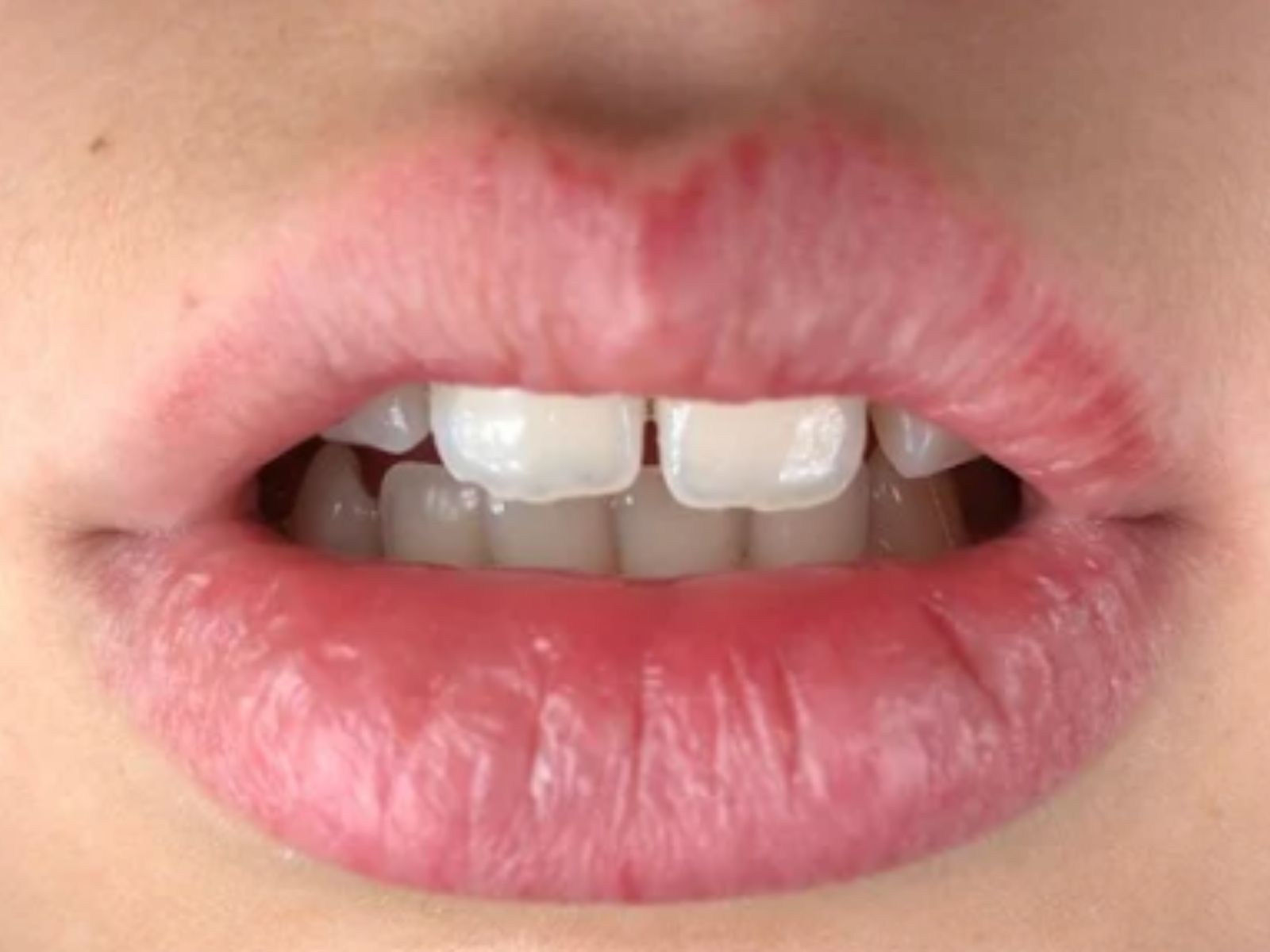

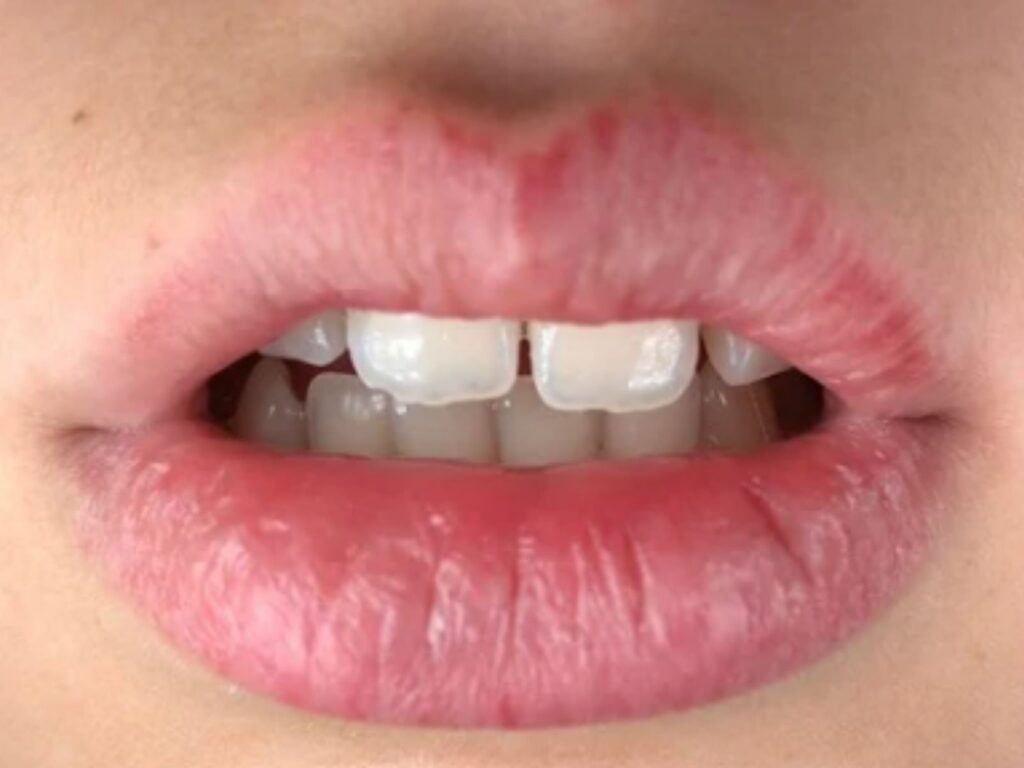
You’ve probably noticed it during bedtime routines or when walking past your child’s room at night – that open-mouth breathing that just doesn’t seem right. Many Elm Grove and Wauwatosa parents assume it’s seasonal allergies or a phase their child will outgrow.
But mouth breathing is actually a visible signal that your child’s airway is restricted during sleep. And here’s what most parents don’t realize: that same restricted airway can prevent the deep sleep needed to control nighttime bladder function.
The connection parents miss: When your child can’t breathe properly through their nose at night, their body compensates by opening the mouth. This same airway restriction prevents them from reaching the deep sleep stages that trigger hormone production – specifically ADH, which slows overnight urine production.
Pediatric myofunctional therapy retrains the tongue, lip, and facial muscles that keep the airway open naturally. By addressing the root cause – the muscle patterns that force mouth breathing – many families see improvements in both breathing and bedwetting over several months.
For Elm Grove and Wauwatosa families, specialized care is just minutes away. Our Brookfield office on Water Tower Blvd serves families throughout Waukesha County with comprehensive airway evaluations and targeted myofunctional therapy programs.
Ready to understand what’s really causing your child’s mouth breathing and bedwetting? [Schedule a pediatric myofunctional therapy evaluation] to discover if retraining breathing patterns could help your family finally get the restful nights you need.
Mouth Breathing Is a Signal, Not Just a Habit
When your child breathes through their mouth during sleep, they’re not getting enough air through the nose. Something is blocking that natural pathway – maybe a narrow palate, enlarged tonsils, or improper tongue posture that’s learned over time.
Mouth breathing isn’t just a quirky habit. It actually changes how your child’s face and jaw develop if left untreated. The constant open-mouth posture affects muscle development and can lead to that long, narrow facial appearance some children develop.
You’ll notice it most during quiet moments. When the house settles down for the night and you can actually hear your child’s breathing from the hallway. It often gets worse during Wisconsin’s cold months when indoor heating dries out nasal passages even more.
Most children don’t simply outgrow mouth breathing patterns without some kind of intervention. The tongue, lips, and facial muscles all work together to determine whether your child naturally breathes through the nose or falls back on mouth breathing – and these muscle patterns can absolutely be retrained.
The key thing to understand: if your child’s tongue isn’t resting properly on the roof of their mouth, their airway stays partially restricted. That forces the compensatory mouth breathing you’re seeing.
How a Restricted Airway Causes Both Mouth Breathing and Bedwetting
Here’s the connection that most Wauwatosa and Elm Grove pediatricians miss: when your child’s airway is too narrow or their tongue rests in the wrong position, they compensate by breathing through their mouth. But that same restricted airway prevents them from reaching the deep sleep stages their body needs.
Deep sleep is when the magic happens. During those deepest sleep phases, your child’s brain releases ADH – antidiuretic hormone – which signals the kidneys to slow overnight urine production. Without sufficient deep sleep, ADH production drops and the bladder fills beyond what a sleeping child can control.
This connection between sleep-disordered breathing and bedwetting is well-documented in pediatric sleep medicine research, as outlined by the American Academy of Pediatrics guidelines on sleep-disordered breathing.
This is why children who mouth breathe and wet the bed often share the same underlying issue: an airway that’s not functioning optimally during sleep.
Myofunctional therapy works specifically on the muscle patterns that keep the tongue low and the mouth open during sleep. By retraining tongue posture and strengthening the muscles around the airway, nasal breathing becomes the natural default again.
For families near the Milwaukee Regional Medical Center area, you may have been told these are separate, unrelated problems. The reality is they’re often connected through sleep quality and airway function – which means addressing one can significantly help the other.
What Elm Grove and Wauwatosa Parents Should Watch for at Home
Sleep and breathing signs:
- Mouth hanging open during sleep or while watching screens
- Snoring, even soft or intermittent sounds from a child
- Dark circles under the eyes that don’t improve with more sleep
- Restless sleep – sheets tangled, child in unusual positions by morning
Daytime and behavioral patterns:
- Wetting the bed multiple nights per week past age 6
- Difficulty waking up and sluggishness before school
- Tongue resting between the front teeth when mouth is relaxed
- A lisp, messy eating habits, or tongue thrust when swallowing
School and focus issues:
- Trouble concentrating at Tonawanda Elementary, Pilgrim Park Middle, or other Wauwatosa schools
- Teacher reports about attention problems that seem to cycle
- Chronic stuffy nose or ear infections, especially October through March
Parents in Washington Highlands or the Village neighborhoods might notice these signs become more obvious during sleepovers or family trips when sleep routines change.
Important note: If you’re seeing several of these signs together, it’s worth having a myofunctional evaluation. Individual symptoms can have many causes, but when they cluster like this, muscle and breathing patterns are often involved.
Concerned about what you’re seeing at home? [Find out if myofunctional therapy can help your child breathe and sleep better] with a comprehensive evaluation designed specifically for children.
How Pediatric Myofunctional Therapy Retrains Your Child’s Breathing

Think of myofunctional therapy as physical therapy for your child’s tongue, lips, and facial muscles. The goal isn’t complicated: establish proper tongue posture so it rests naturally on the roof of the mouth instead of lying low and blocking the airway.
Here’s how it works in practice:
- A trained therapist works with your child in short, focused sessions at our Brookfield office
- Exercises are simple enough for children to practice at home between visits
- We address related habits like daytime mouth breathing, tongue thrust swallowing, and open-mouth rest posture
- As nasal breathing improves, sleep quality typically deepens and hormone production can normalize
Most children start seeing changes in their breathing patterns within the first few months. Bedwetting improvements often follow as sleep quality increases and ADH production stabilizes.
The comprehensive approach: If we identify structural issues like a narrow palate or tongue-tie during evaluation, our Brookfield office can coordinate those treatments alongside myofunctional therapy. Everything happens under one roof, which makes the process much easier for busy families.
What makes therapy successful: Consistency with home exercises between appointments. The good news? Most children actually enjoy the exercises once they understand how they’re helping their breathing feel better.
Pediatric myofunctional therapy works well as a standalone treatment for many children, or as part of a broader airway plan when structural issues are also present. The International Association of Orofacial Myology maintains professional standards for these therapeutic approaches to breathing and swallowing disorders.
A Short Drive from Elm Grove or Tosa to Brookfield’s Airway Specialists
From Elm Grove: About 5 minutes heading west on Bluemound Road or via Pilgrim Parkway. You’ll pass familiar landmarks like the Milwaukee County Zoo area before reaching our Water Tower Blvd location near I-94.
From Wauwatosa: Most Tosa families can reach our office in 10-12 minutes heading west on Bluemound Road or North Avenue. If you’re already commuting along I-94 or US-45 for work, you pass close to the Water Tower Blvd exit daily.
Practical details that matter:
- Free parking right at the building – no meters or parking ramps to navigate
- Near Brookfield Square and The Corners for errands before or after visits
- Appointments available Monday through Thursday from 8 AM, with Friday by appointment
- Sessions are efficient – most families are in and out within 30 to 45 minutes
For Elm Grove parents dropping kids at Tonawanda Elementary, the timing works perfectly for a quick visit before heading to work or running other errands.
Ready to take the next step? [Book a visit from Elm Grove or Wauwatosa] and discover if myofunctional therapy could be the solution your family has been searching for.
Frequently Asked Questions
How long does it take to drive from Elm Grove to the Brookfield office? About 5 minutes heading west; the office is just past Pilgrim Parkway near I-94.
My child only mouth breathes at night — is myofunctional therapy still helpful? Yes; nighttime mouth breathing often indicates the tongue and airway muscles aren’t maintaining proper posture during sleep, which is exactly what myofunctional therapy retrains.
Our Wauwatosa pediatrician said mouth breathing is just allergies. Could it be more? Allergies can contribute, but persistent mouth breathing year-round often points to muscle patterns or structural issues worth evaluating with a myofunctional therapist.
How old does my child need to be for pediatric myofunctional therapy? Most children can begin therapy around age 4 to 5 when they can follow simple exercise instructions; the therapist will assess readiness during the evaluation.
Is this the same practice that treats tongue-ties in babies? Yes; our Brookfield office treats airway issues for infants, children, and adults under one roof – if a tongue-tie is contributing to your child’s breathing pattern, it can be addressed alongside myofunctional therapy.
How often does my child need to come in for myofunctional therapy sessions? Most children visit our Brookfield office every few weeks; daily practice at home between sessions is a key part of making progress.

