




Tongue-tie treatment isn’t right for every child, and it isn’t risk-free either. We think Racine and Caledonia families deserve the full picture before booking anywhere.
This guide covers tongue tie treatment near Racine Wisconsin families ask us about most, including the real risks, how laser treatment compares to a clip, and what actually makes a provider airway-focused.
You don’t need to drive to Chicago for specialized care. Our office sits a short trip up I-94 from Racine.
We keep weekday hours open, so getting real answers doesn’t have to wait.
Yes, a Tongue-Tie Release Carries Some Risk
A tongue-tie release does carry some risk, even though it’s generally a safe, quick procedure. Being upfront about that risk is part of choosing the right provider.
Rare complications include bleeding, infection, or minor injury to nearby tissue. Without consistent aftercare stretches, the tissue can heal back together and need a second release. And treatment doesn’t always guarantee an immediate fix for feeding, speech, or eating problems.
That’s exactly why we evaluate first instead of assuming every child needs surgery. The Mayo Clinic has helpful background on tongue-tie and treatment considerations, if you’d like to read further.
Every release here comes paired with clear aftercare steps and myofunctional therapy, specifically to lower the chance of reattachment.
A Laser Release Causes Less Bleeding Than a Traditional Clip
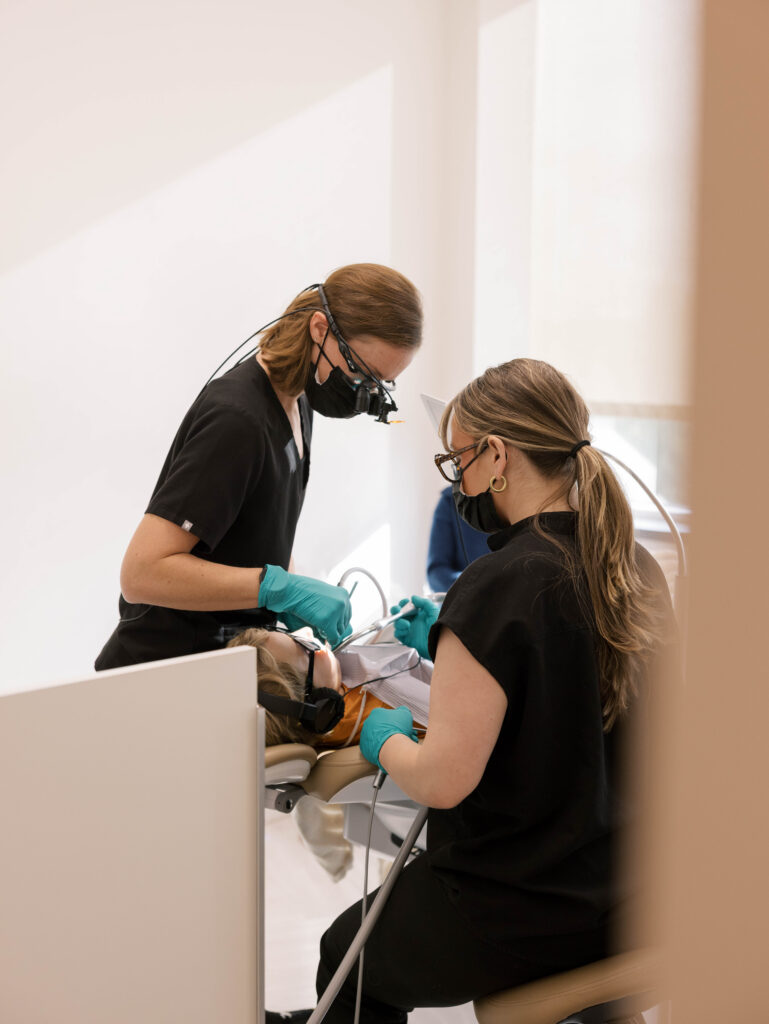
A laser release generally causes less bleeding than a traditional scissor or clip. That’s because the laser cauterizes tissue as it cuts.
Healing also tends to move faster with laser treatment. Most parents notice their child eating and talking more comfortably within days, not weeks.
The American Academy of Pediatric Dentistry publishes general guidance on frenectomy procedures, if you’d like more background. But laser alone doesn’t remove every risk — a good evaluation and aftercare plan still matter most.
Families near the Root River make the same drive for this laser-specific care, since few offices nearby offer it.
How to Tell If a Provider Is Actually Airway-Focused

Not every dentist who performs a quick clip is airway-focused. A true airway evaluation looks well beyond the tongue itself.
Here’s what to look for in a provider:
- A full evaluation before any treatment is recommended, not an automatic yes
- Questions about sleep, speech, and eating, not just a quick look in the mouth
- A plan for aftercare and myofunctional therapy, not just the procedure itself
- Willingness to say a release isn’t needed, when that’s the honest answer
We hear from a lot of families after a speech therapist makes the referral. That includes plenty of Case High students in the Racine Unified district. A provider who checks all of this is doing right by your child, not just booking a procedure.
Getting to Our Brookfield Office From Racine Is an Easy I-94 Trip
Families come to us from Racine, Caledonia, and Franksville, and the drive is easier than most expect. Our office sits right off I-94 on Water Tower Blvd, so the exit is simple to find.
It’s a short trip for the kind of specialized, evaluation-first care that’s hard to find close to home.
If you’re ready to get your child’s tongue-tie question answered, we welcome families from Racine and the surrounding area. Reach out and we’ll help you find a time that works.
Frequently Asked Questions
How far is the Brookfield office from Racine? If you’re searching for tongue tie treatment near Racine, Wisconsin, our office is about 40 minutes away, a straight drive up I-94.
Do we need to drive to Chicago for tongue-tie care? No, you don’t need to drive to Chicago for tongue tie treatment near Racine Wisconsin families trust. Our full Children’s Tongue-Tie Release service is a short trip up I-94, with the same laser tools and training you’d look for anywhere.
Is it too late to treat a tongue tie in an older child? No, it’s not too late. If you’re still not sure whether your child even has one, our guide to signs of tongue tie in children can help you spot the clues first.
What if my child doesn’t actually need treatment? Sometimes a full evaluation shows treatment isn’t needed yet, or that therapy should come first. When treatment is the right call, we pair the release with aftercare and muscle training, like the full care path we cover in our tongue tie or lip tie guide, to help results last.
Will my child need therapy after tongue-tie treatment? Many kids benefit from speech or myofunctional therapy after a release. Families often notice the same kind of sleep and behavior improvements we cover in our tongue-tie and sleep problems guide.

